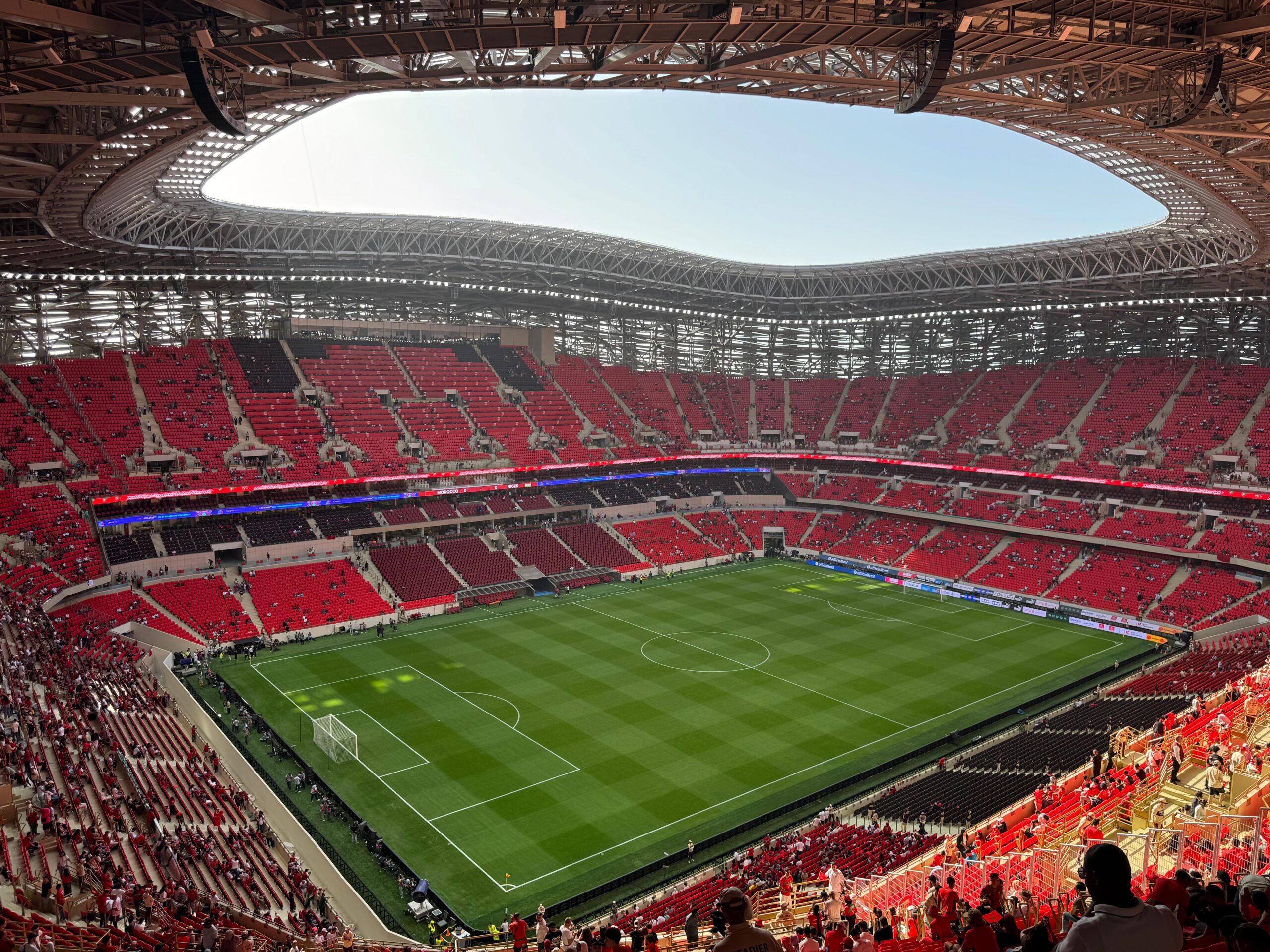
The World Cup Isn’t a Sports Story. It’s a Stakeholder Communication Story.
Every four years, the FIFA World Cup captures the world’s attention.
Fans travel from all over the world. Broadcasters rearrange their entire schedules. Sponsors launch campaigns they’ve spent months preparing. Governments get ready for the influx of visitors. Cities coordinate transportation, security, and hospitality. Teams, coaches, and staff spend years getting ready for just a few weeks of competition.
Most people watch the World Cup and see a sporting event. As a communicator, I can’t help seeing something else: one of the most complex stakeholder communication environments in the world. Because when you zoom out, communication at this scale isn’t about one audience or one message. It’s about orchestrating dozens of different needs at the same time.
Fans attending the match need to know where to go and when to arrive. A broadcaster depends on precise timing and access. A sponsor is focused on visibility and alignment. A host city is managing disruption, movement, and safety. Coaches are trying to shield their teams from distraction and noise.
The World Cup may be a shared experience, but it isn’t a shared communication challenge.
What works for one audience can easily be irrelevant, or even disruptive, to another. The challenge isn’t crafting one perfect message. It’s understanding who needs what information, and when, and making sure they receive it in a way they can actually use.
That’s where communication moves from “sending information” to actual stakeholder management. And honestly, this applies to almost every organization I’ve ever worked in.
The Hidden Complexity of Communication

From the outside, the World Cup feels like one big, shared experience. Millions of people watching the same match and reacting to the same moments. But that’s only what’s visible.
Behind every match are countless teams coordinating logistics, transportation, security, broadcasting, sponsorships, and operations. Most people don’t think about those things, and they shouldn’t have to. The goal is for the experience to feel seamless.
That’s one of the reasons this topic resonates with me. I used to work the Disney marathons, and the amount of coordination behind those events was huge. Guests saw runners, music, and medals. What they didn’t see were the 3 a.m. road closures, transportation changes, volunteers getting last-minute updates, or the constant flow of information between teams. Every group needed something different and if one piece of information didn’t arrive at the right time, the whole event felt it.
Understanding What Stakeholders Need
One of the most valuable questions communicators can ask is: “What does this audience need from us right now?”
Not what we want to tell them, but what they need to hear. The difference is important. Too often, communication starts with the message. Effective communication starts with the audience.
I’ve seen this play out during organizational changes. Leadership is focused on the business rationale. Employees are wondering what it means for their day-to-day work. Managers are thinking about the questions they’re going to get from their teams.
Everyone is hearing the same news, but they’re not hearing it from the same perspective. The facts don’t change, but what people need from the communication often does.
Timing Matters Just as Much as Messaging

In that world, timing isn’t a nice-to-have, it’s everything. You can have every cue written perfectly, but if it lands even a few seconds too early or too late, the entire moment feels off.
Information has a shelf life. Share it too early and it gets lost in the noise. Share it too late and people can’t act on it.
That’s why show calling forces you to think differently about communication. It’s not just what needs to happen, it’s exactly when it needs to happen, and who needs it in that exact moment.
The World Cup operates on a much larger scale, but the principle is the same.
Fans need information before they arrive at a stadium. Broadcasters need updates before going live. Volunteers need guidance before guests start arriving. Players need to know the game plan before stepping onto the field.
The message matters but it only works if it arrives when people can actually use it. In live environments, what people rely on is timing they can trust.
In organizations, we sometimes lose sight of that. We spend so much time refining what we’re going to say that we forget to ask when people need to hear it.
Good communication teams don’t just think about messaging. They think in cues, timing, and experience because that’s what ultimately shapes how communication is received.
Communication Is Ultimately About Trust
At the end of the day, stakeholder communication is really about trust. People want to feel understood, supported, and informed.
The World Cup depends on that trust. Fans trust the information they’re given. Sponsors trust that their investment will be delivered on. Broadcasters trust that everything behind the scenes will run smoothly. Players trust that everything is ready when they step onto the field.
Trust doesn’t come from a single message. It’s built through thousands of communication moments, big and small.
The same goes for organizations. Every update, meeting, announcement, and conversation adds up. That’s how people decide if communication is working. Over time, these small moments build that trust.
Looking Beyond the Game
When people watch the World Cup, they see the goals, highlights, celebrations, and tension. What they don’t see is the communication system behind it all. That includes the planning, coordination, and decisions about who needs what information and when.
Because while the World Cup is known as a sports event, it’s also a great example of what communicators do every day. We spend a lot of our time thinking about questions other people never have to think about: Who needs this information? What’s the best way to share it? What questions will it create? What happens if they don’t get it?
So next time you’re watching a major event, take a moment to look beyond the action. There’s a whole world operating behind the scenes.
And communication is what makes that complexity invisible.