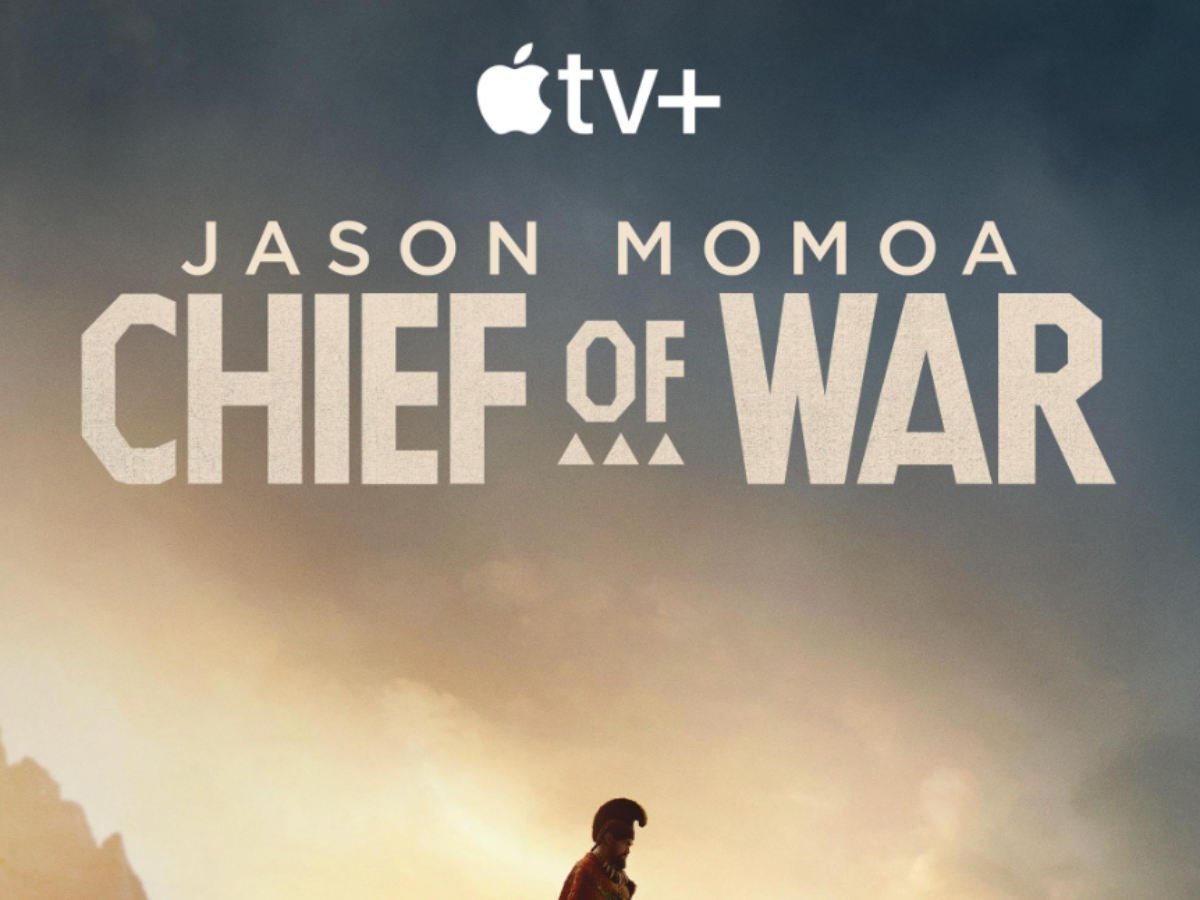
Communication is Courage: Lessons from AppleTV+’s Chief of War
Apple TV+’s Chief of War looks like a historical epic – battles, alliances, heroic figures. And of course, there’s plenty of that. But here’s what surprised me: it’s actually about courage. Not the charge-into-battle kind. I’m talking about the kind of courage it takes to just talk to each other. And actually listen.
From the high-stakes decisions of Kamehameha to the quiet vulnerability of Namake’s confession, this series is a masterclass in modern communication. No buzzwords. No fluff. Just the hard truth: real authority doesn’t come from a title. It comes from being able to face hard truths – about your rivals, sure, but mostly about yourself. Let’s unpack the moments where Chief of War taught us that communication is, ultimately, an act of courage.
1. Influence and Persuasion: When Being Right Isn’t Enough
Episode 6: The Splintered Paddle
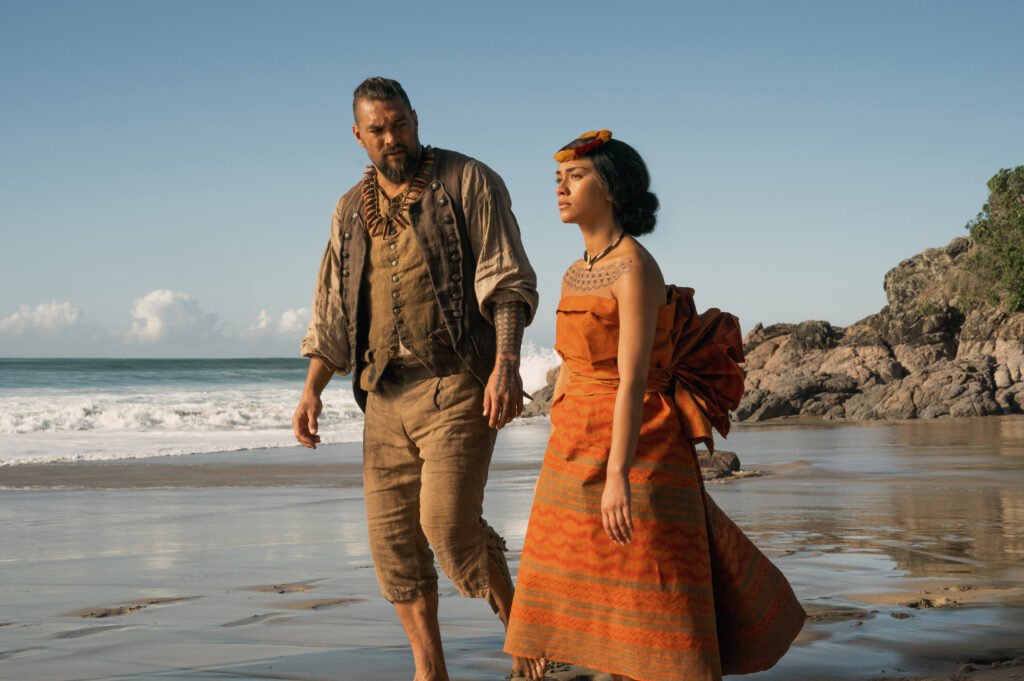
In Episode 6, Ka’iana can’t get anyone to listen to him. Kamehameha and Kupuohi want to meet with Keoua to try and avoid more bloodshed. Ka’iana thinks this is a terrible idea. He goes to Ka’ahumanu for backup, arguing that Keoua’s a warrior through and through and peace talks are a waste of time. “There is no hope. No peace,” he warns.
Ka’iana’s conviction is palpable and ultimately, he’s proven right. Keoua doesn’t listen. Blood is shed. But here’s the problem – being right doesn’t mean people will listen to you.
We’ve all been there. You know you’re right about something, but you just can’t get people on board. That’s Ka’iana’s problem. He’s probably correct about Keoua, but his delivery kills his message. Maybe he’s too urgent, too frustrated, too intense. Whatever it is, people shut down instead of hearing him out.
This happens all the time. You can have the facts on your side, but if you can’t read the room or if your timing’s off, your message goes nowhere. It’s not enough to be right, you have to make people want to agree with you.
2. The Fear of Being Wrong
Episode 8: The Sacred Niu Grove

“Men train their whole lives to be warriors; yet they fear being wrong more than they fear death.”
When Kupuohi speaks these words in Episode 8, she captures one of the most striking insights of the entire series. In this scene, she informs Ka’ahumanu that Ka’iana plans to kill Keoua without waiting for Kamehameha’s forces. Both women are frustrated, not just with the men’s decisions, but with their pride.
What Kupuohi observes about warriors mirrors what communicators often experience in corporate life. Many professionals fear being “wrong” far more than they fear risk or rejection. Their identities are tied to accuracy, to delivering the “right” message in the “right” tone through the “right” channel. To admit an error feels existential, like losing professional worth.
But, as we’ve seen over and over again, it’s not the mistake that causes the most significant damage; it’s how you handle it afterward. For example, I’m sure we all remember the United Airlines’ 2017 passenger removal incident. The company’s first response was to use defensive, corporate jargon (“re-accommodate”) instead of acting with empathy. It took days before the CEO publicly admitted fault, by which time the damage was exponential.
The warriors of Chief of War feared being wrong; the communicators of today often do too. The true mark of courage is not in being perfect but in facing the discomfort of fallibility. The leaders who say “we got this wrong” quickly and sincerely often emerge with stronger trust, not weaker authority.
3. Authority and Authenticity Can Sound Different Than Expected
Episode 8: The Sacred Niu Grove
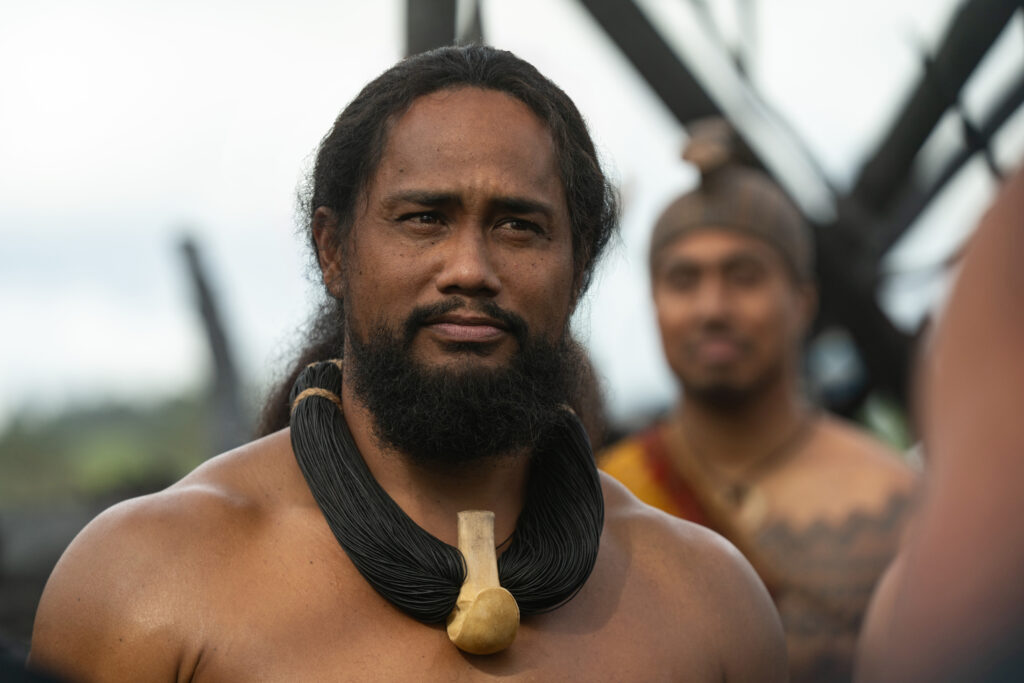
Later in Episode 8, Kamehameha wrestles with a spiritual and leadership dilemma. He confides to Ka’iana that he’s been waiting to hear the war god’s voice and wonders if perhaps that voice has changed. “Maybe it’s been speaking to me in a new voice,” he says, quietly but with conviction.
This is a turning point for Kamehameha as he begins to recognize that guidance and wisdom don’t always come the way we expect it.
In corporate communication, this lesson is vital. Authority no longer resides solely in the C-suite. Some of the most authentic, influential voices today come from employee creators, customer advocates, or even social media storytellers who embody a brand’s truth in ways no executive memo ever could.
Starbucks, for example, recently embraced this idea by hiring two Global Content Creators to travel to stores worldwide, using their own creative voices to produce social content. It’s a modern form of Kamehameha’s revelation. The “war god’s voice” might now speak through authenticity, not hierarchy.
The most powerful messages don’t always come from the corner office. Sometimes they come from the most unexpected places.
4. The Weight of Leadership
Episode 8: The Sacred Niu Grove
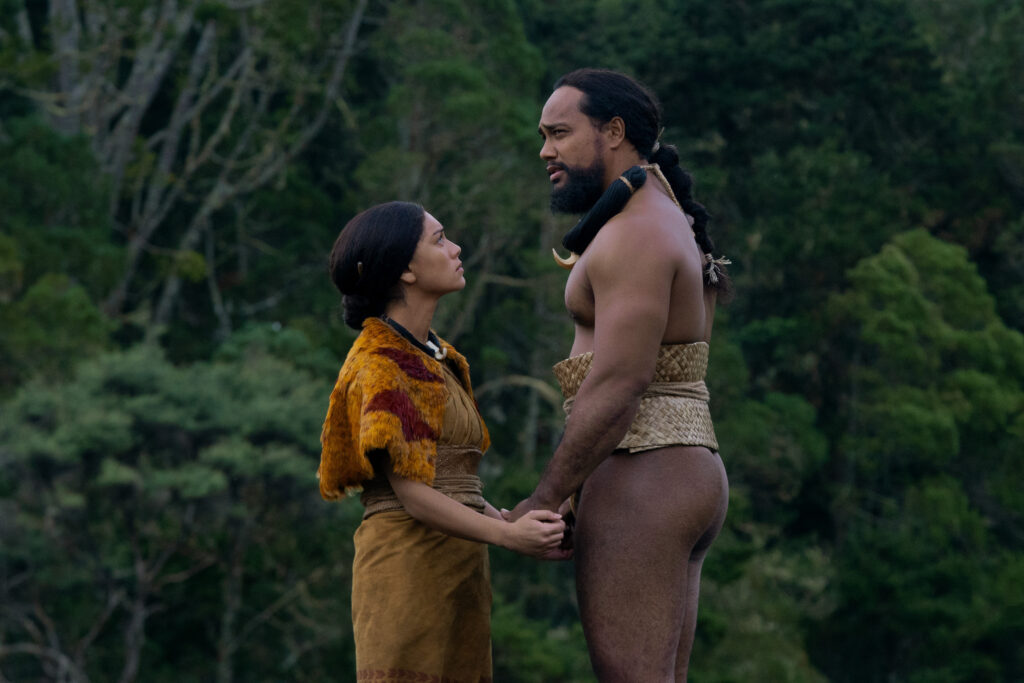
Kamehameha feels the full weight of leadership responsibilities as he reflects on the aftermath of the beach massacre. He questions whether ignoring Ka’iana’s advice regarding attacking Keoua first was a mistake. His grief isn’t just about what’s been lost, it’s about accountability. His accountability.
Kamehameha and Ka’ahumanu share a poignant moment. She can offer no counsel and is clearly pained as she whispers, “I do not know how to help you.” It’s the only sentence spoken in English during the scene. And it makes me wonder if she couldn’t bear to speak it in her native tongue.
Some people view leadership as a little glamorous – the titles, the influence, the power. But the reality is that it is littered with consequence. Every choice has a domino effect and the best leaders are those who recognize the cost of their decisions and still have the courage to bear them.
The scene reminds communicators and executives alike that leadership is not about perfection. It’s about presence and showing up for the consequences of your choices, even when they break you a little.
5. Relationships Are Difficult
Episode 8: The Sacred Niu Grove
Relationships require investment of time and attention. Episode 8 offers a quiet but profound example when Kupuohi admits to Ka’iana that she was wrong to side with Kamehameha’s pursuit of peace. She presents herself as vulnerable, and Kaʻiana’s response, notably absent of “I told you so,” is one of grace.
The conversation evolves into reflection. Kupuohi accuses Ka’iana of changing since his return. He calmly replies, “You’ve changed also.” The line stops her. For the first time, she considers that both of them have evolved, just not together. When she finally says, “We are stronger together. Find strength in me again,” it’s not a plea; it’s a proposition.
This moment is a lesson in relational recalibration. Whether in romantic partnerships, friendships, or professional relationships, people change. Sometimes they grow apart; sometimes they need to rediscover what originally bound them.
As a VICE article on modern relationships indicates, we’re living in a time when connection takes intentional effort. Relationships last not by rejecting that change has occurred, but by confronting it with curiosity. Kupuohi asks Ka’aina to “find strength in me again.” This serves as a reminder that staying connected is less about nostalgia and more about recommitment.
6. Tough Conversations: The Courage to Speak Hard Truths
Episode 9: The Black Desert
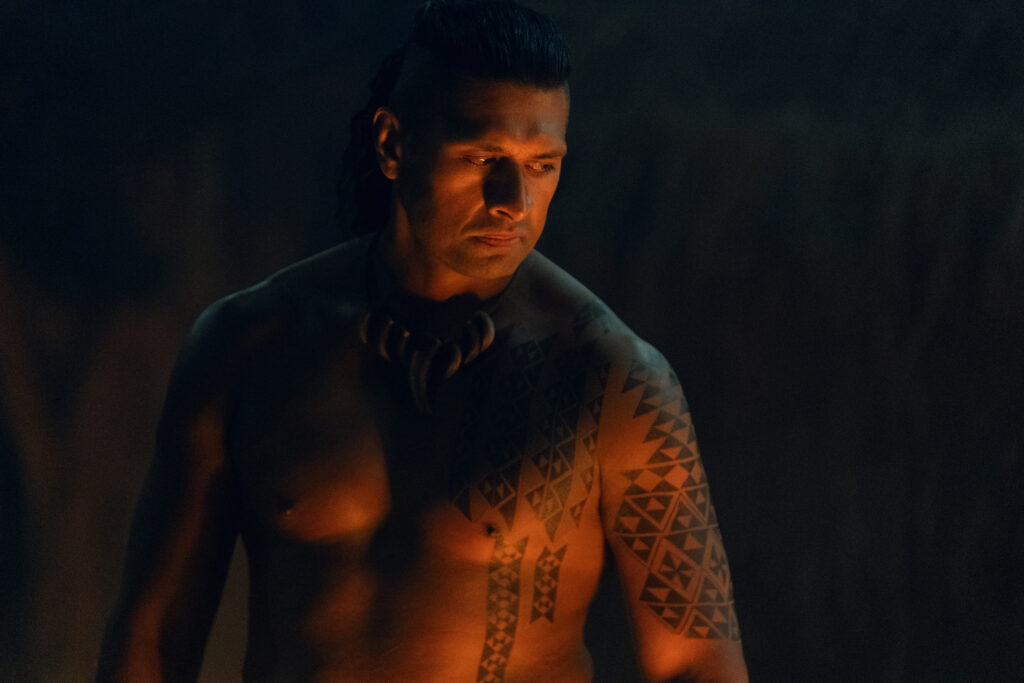
By Episode 9, the emotional stakes are high. In one of the series’ most unexpectedly tender scenes, Namake confesses to Ka’iana that he’s in love with Kupuohi, Ka’iana’s wife. The tension is palpable. Ka’iana listens silently, gripping what looks like a knife carved from bone. I was on the edge of my seat here, wondering how Ka’iana was going to respond.
To my surprise, Ka’iana embraces Namake and responds calmly: “You did no wrong to a dead brother.”
The scene becomes less about betrayal and more about the bravery to say what must be said, and the grace to hear it.
Tough conversations test not only our communication skills but our trust. Do we avoid difficult conversations because we don’t trust how our message will be received by the other person? Or because we don’t trust ourselves to handle the aftermath?
In workplaces and relationships alike, this is the crux of emotional intelligence. Giving feedback, establishing boundaries, and admitting confessions all require the same inner strength that Namake showed in that scene.
Communication is Courage
The lessons of Chief of War extend far beyond its 18th-century setting. The weight of Kamehameha’s decisions, Ka’iana unable to persuade anyone to his point of view, and Kupuohi’s reflection on warrior pride all point to one truth: communication is an act of courage.
The hardest battles aren’t always with other people. They’re with ourselves.
- We avoid difficult conversations because we hate being vulnerable.
- We struggle with authenticity because it breaks from the norm.
- We won’t admit when we’re wrong because our egos get in the way.
Real authority, in any era, comes from authenticity and grace. From being honest. Actually listening. And dealing with any fallout.
Chief of War offers us a reflection about humanity. The most successful communicators understand that persuasion, leadership, and connection all begin in the same place — with the courage to face ourselves first.
All images and media are used for commentary, criticism, and educational purposes under Fair Use. All rights belong to their respective owners